




Blog
Choosing the Right Saddle for Your Horse

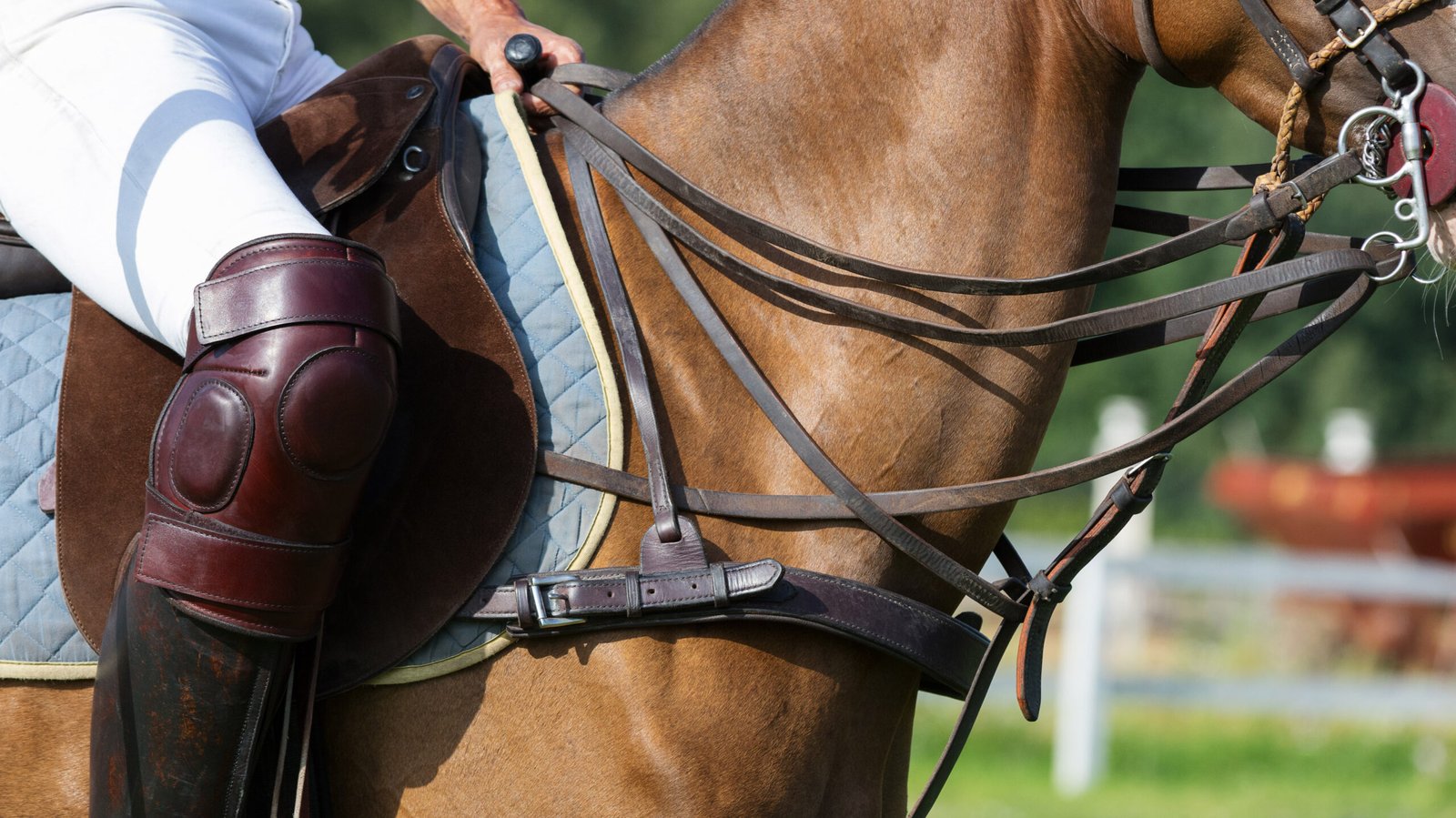
A correctly fitted saddle should “hug the horse” like a glove. Saddle fit isn’t just about the rider’s comfort – it’s critical for your horse’s health and performance. Veterinary research confirms that poor saddle fit can cause back pain and injury, while a well-fitted saddle evenly distributes the rider’s weight and promotes freer movement. Saddle-fitting experts emphasize two key rules: the tree points must sit behind the horse’s shoulder blade and the saddle must not extend past the last rib. Violating these rules risks pinching the horse’s shoulder or placing weight on unsupported lumbar areas, which can lead to soreness and even long-term nerve damage. This guide will walk you through saddle types and how to choose and fit a saddle that suits both you and your horse.
Types of Saddles and Their Uses
Saddles come in many styles, each designed for a purpose. English saddles (e.g. dressage, jumping, or all-purpose) have flatter seats and smaller panels, suiting many riders and disciplines. Dressage saddles have deep seats and long flaps for a stable, upright position, while jumping saddles are flatter with forward-cut flaps for the two-point position. Western saddles are heavier with a horn and wide skirts for comfort during long rides and ranch work. The right style depends on your discipline and horse build. For example, a lightweight racing saddle is very flat and small to allow top speed, whereas a treeless or endurance saddle might suit a very round, moving back. Consider what you ride (trail, arena, breed) and start by choosing the saddle “family” that matches your needs.

Fitting the Saddle to Your Horse
A saddle that fits one horse can hurt another. Key checks include withers clearance and panel contact. Withers clearance means the pommel must sit at least 2–3 fingers above the horse’s withers when settled. Too little clearance pinches the spine; too much means the tree is too wide. Panels (the padded underside) should lie evenly along the horse’s back without bridging (gaps) or pinching points. Slide your hand under the panels to feel for even pressure. Also ensure the saddle’s tree width (point angle) matches the horse. If the points of the tree slope much steeper or flatter than the horse’s shoulders, the tree is too narrow or too wide. A proper tree width leaves a clear gullet channel along the spine. Research shows that even as a horse moves, the longissimus dorsi muscles flatten out, so a well-fitted saddle with flexible flocking can accommodate back shape changes
Rider Fit and Seat Size
Don’t forget your own fit. The seat size (typically 15–19 inches) should match your body. You need a few inches of clearance at the cantle and pommel (you should not feel “popped out” of the saddle). The saddle’s twist (narrowest part) should suit your hip width for comfort. Also match the flap length to your leg: if the flap is too long or short, your leg position will be off. Test seating several saddles; each brand and style feels different. Many modern saddles even offer adjustable gullet plates so you can fine-tune width as your horse changes shape.
Adjusting and Troubleshooting Fit
After mounting, recheck key points: the saddle should remain level and not tip forward/back or shift to one side. Uneven sweat marks or the saddle sliding in one direction are red flags. If there are issues, consider shims or specialized pads as a temporary fix, but ideally consult a professional saddle fitter. Even a well-fitting saddle should be checked seasonally – horses gain muscle or change condition, and the saddle may need reflocking or adjustment. As one expert puts it, everyone eventually rides in a saddle that “doesn’t fit as well as it could,” so catching problems early can prevent plateaus in your riding.
Choosing and Buying Tips
Once you know the type and size, look at materials and brand reputation. Quality trees (wood or composite) and sturdy leather are worth the investment, as they maintain their shape and resist damage. Check billets and stirrup leathers for wear; these carry your safety load. If buying second-hand, feel the panels and run your hands for lumps or worn spots. Always test-ride a saddle if possible. Many shops have trial programs. Finally, CTA: Visit our Saddle Fitting Services page or browse our Shop Saddles section to find expert assistance and the perfect saddle for your horse.